BUP Faculty Conduct Knowledge-Sharing Session on Sustainability Accounting at Grameenphone
23 Jul 2026
DownloadBUP Faculty Conduct Knowledge-Sharing Session on Sustainability Accounting at Grameenphone
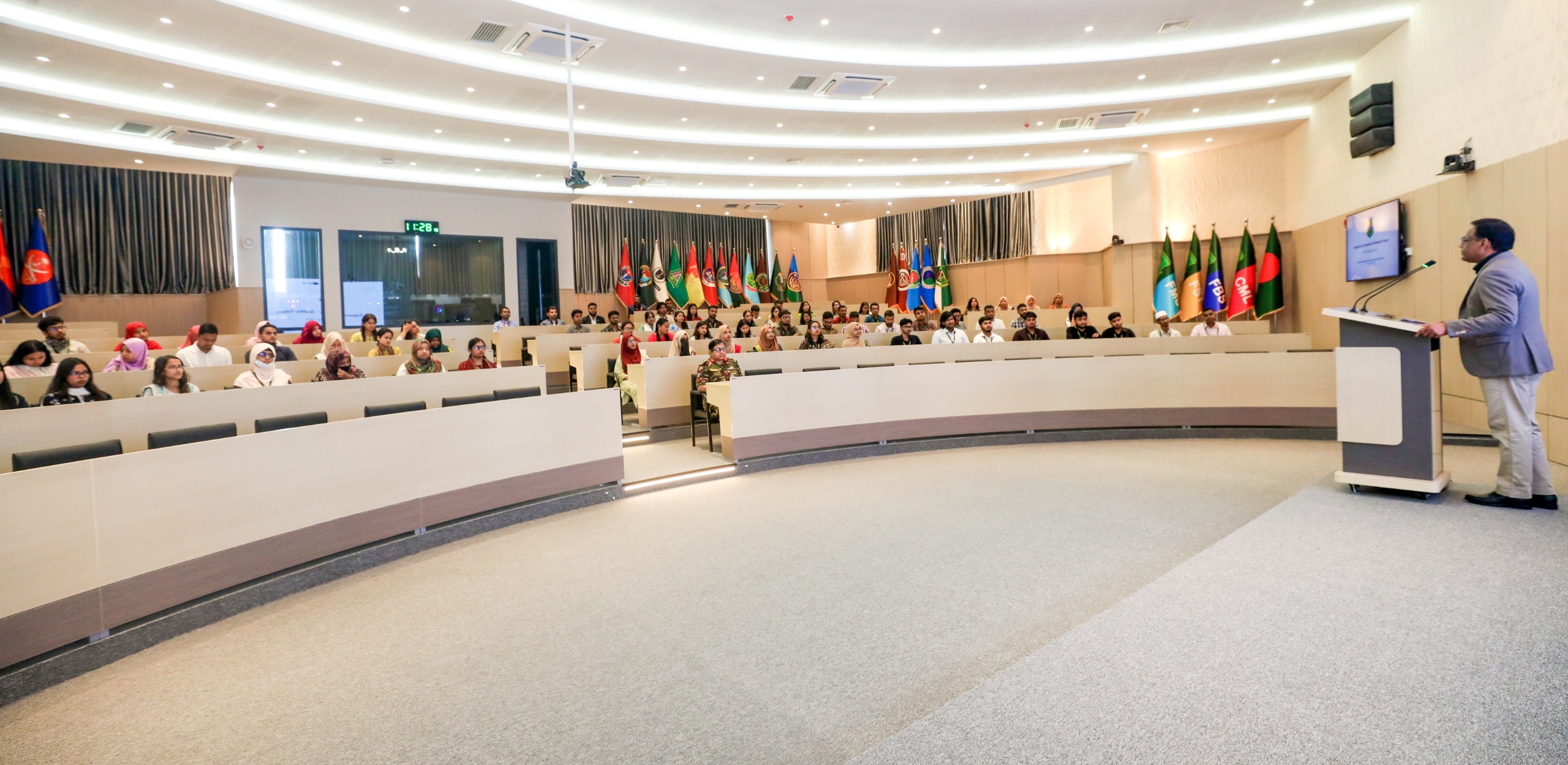
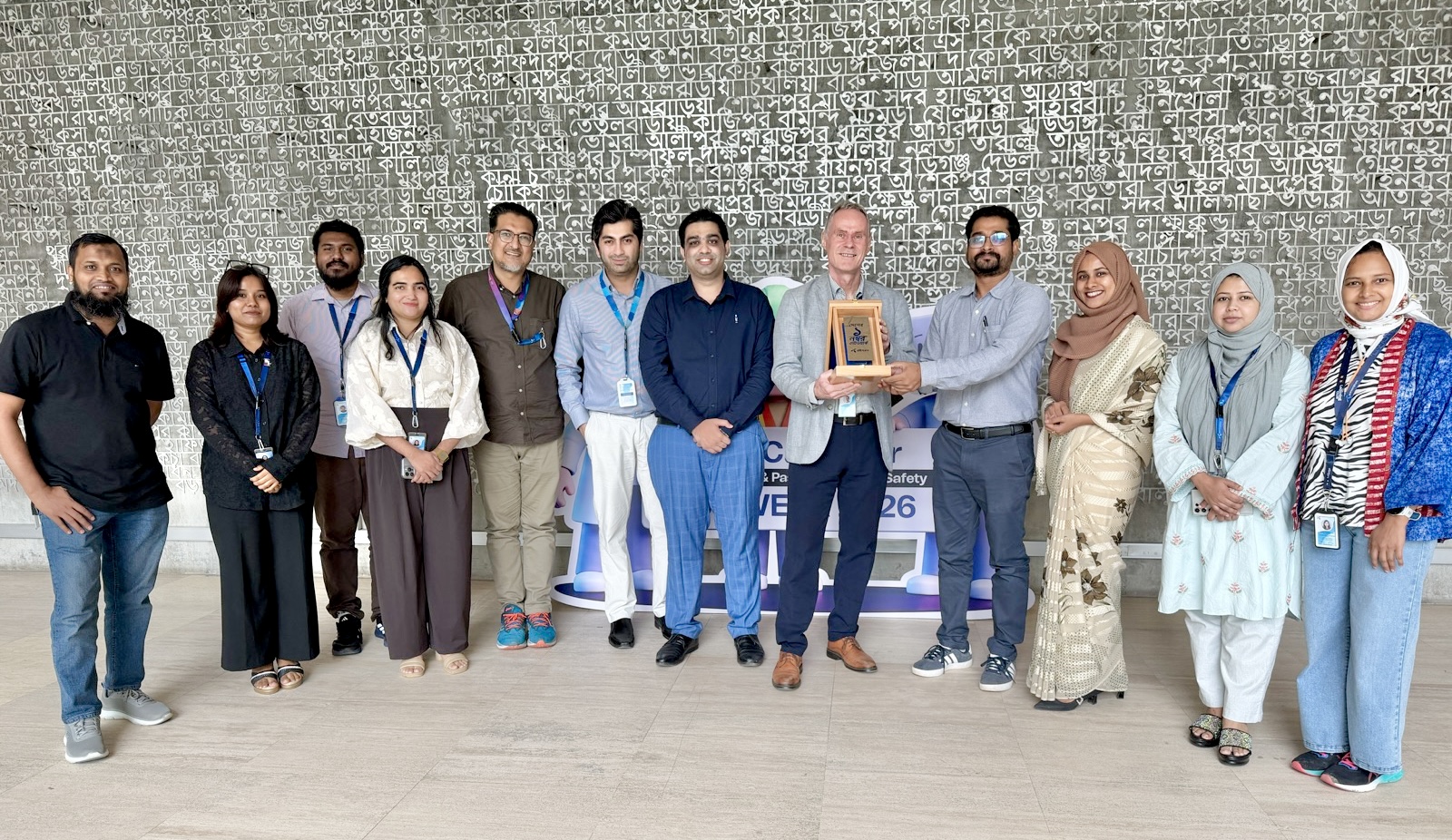
As part of the ongoing industry–academia collaboration between Bangladesh University of Professionals (BUP) and Grameenphone (GP), a knowledge-sharing session on "Beyond Compliance: Rethinking Sustainability Accounting for Strategic Value" was successfully held at the GP House, Basundhara.
The session brought together professionals from Grameenphone's Treasury, Finance, Financial Reporting, and Sustainability functions, including representatives from the Office of the Chief Financial Officer (CFO) and mid-level managers. The event provided a platform for exchanging ideas on the evolving role of sustainability accounting in driving long-term business value.
The opening session was conducted by Dr. Md. Tapan Mahmud, Chairman and Associate Professor of the Department of Accounting & Information Systems (AIS), BUP. The discussant focused on the growing importance of accountability in achieving sustainable business practices. Participants explored the evolution of corporate reporting from a predominantly shareholder-focused approach to a more holistic model of accountability that recognizes the interests of diverse stakeholder groups. The session also emphasized the changing role of accountants in measuring, communicating, and assuring sustainability-related information, reinforcing accountability as a cornerstone of sustainable business practices.
The second session was conducted by Farjana Nur Saima, Assistant Professor of the Department of AIS, BUP. She focused on linking sustainability reporting with strategic decision-making, emphasizing that the true value of sustainability accounting lies not merely in meeting compliance requirements but in supporting informed managerial and financial decisions. The presentation introduced several thought-provoking questions that encouraged participants to critically reflect on the strategic role of sustainability information, including:
- Are organizations measuring sustainability activities or meaningful outcomes?
- Is sustainability information actively informing business decisions?
- How can finance and sustainability functions work together to create long-term value?
- What capabilities should organizations develop today to prepare for future climate-related risks and opportunities?
The discussion was further enriched by real-world case examples, including Microsoft's use of an internal carbon pricing mechanism to integrate sustainability into investment decisions, as well as global perspectives on the growing role of Chief Financial Officers in leading sustainability transitions. Participants also engaged in critical discussions on how to make sustainability related data more credible, the role of auditors and regulatory bodies in certifying carbon offset projects/carbon credit management, and the need to move beyond reporting compliance toward measurable environmental and financial outcomes.
The session generated active participation from attendees, who shared their perspectives on integrating sustainability into financial decision-making, accessing sustainable finance opportunities, strengthening organizational resilience, and enhancing the strategic role of accounting in addressing climate-related challenges. The interactive nature of the discussions reflected the increasing recognition that sustainability is no longer solely the responsibility of dedicated sustainability teams but a strategic priority requiring collaboration across finance, operations, and management functions.
The knowledge-sharing session represents another important milestone in the ongoing collaboration between BUP and Grameenphone. Through this initiative, both institutions aim to strengthen industry–academia engagement, promote knowledge exchange, and contribute to building the competencies required for the transition toward more sustainable business practices in Bangladesh.
The collaboration continues to provide a valuable platform for connecting academic research with industry practice, fostering critical dialogue, and preparing future professionals to address emerging sustainability and climate-related challenges.